Introduction
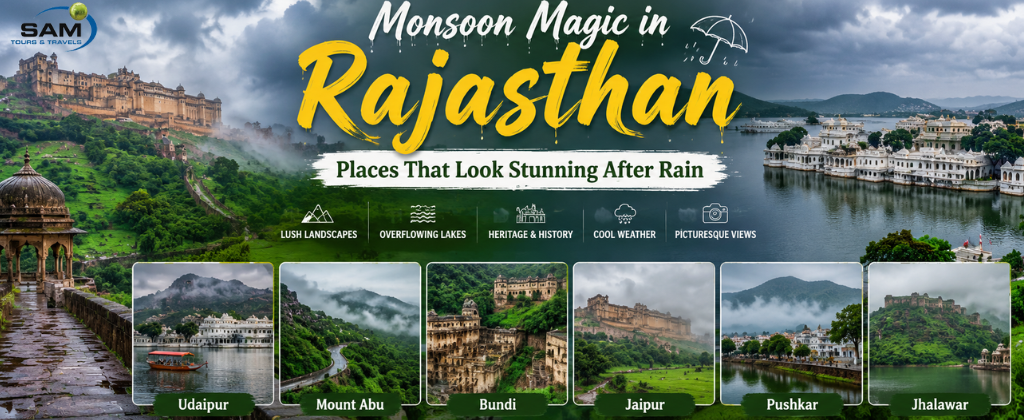
When people think of Rajasthan, they often imagine golden deserts, scorching summers, and majestic forts standing proudly against clear blue skies. However, few travelers realize that the monsoon season unveils a completely different side of this royal state. From lush green hills and overflowing lakes to mist-covered palaces and rejuvenated wildlife reserves, Rajasthan transforms into a breathtaking destination after the rains.
The monsoon season, typically from July to September, brings life to the state’s landscapes, creating picturesque scenery that surprises even seasoned travelers. If you’re looking for fewer crowds, pleasant weather, and unique natural beauty, Rajasthan during the monsoon can be an unforgettable experience.
Why Visit Rajasthan During the Monsoon?
Monsoon brings a refreshing change to Rajasthan’s traditionally arid terrain. The rainfall enhances the beauty of historic monuments, gardens, lakes, and hills, creating stunning views that are perfect for sightseeing and photography.
Some key benefits of visiting Rajasthan during the rainy season include:
- Lush green landscapes
- Cooler and more comfortable temperatures
- Less crowded tourist attractions
- Budget-friendly accommodation options
- Spectacular photography opportunities
- Vibrant cultural experiences
Let’s explore some of the most beautiful places in Rajasthan that become even more enchanting after rainfall.
Udaipur: The City of Lakes in Its Full Glory
Often called the “Venice of the East,” Udaipur becomes exceptionally beautiful during the monsoon season. The city’s famous lakes fill up with fresh rainwater, creating mesmerizing reflections of palaces and surrounding hills.


Must-visit attractions include:
- Lake Pichola
- Fateh Sagar Lake
- Sajjangarh Monsoon Palace
- City Palace Udaipur
The Monsoon Palace offers panoramic views of rain-washed hills and shimmering lakes, making it one of Rajasthan’s most scenic viewpoints.
Mount Abu: Rajasthan’s Rainy Season Retreat
As Rajasthan’s only hill station, Mount Abu becomes a paradise during monsoon. The surrounding Aravalli Hills turn lush green, waterfalls come alive, and clouds drift through the valleys.
Popular attractions include:
- Nakki Lake
- Guru Shikhar
- Dilwara Temples
- Sunset Point viewpoints
The misty atmosphere and cool weather make Mount Abu one of the best monsoon destinations in Rajasthan.
Bundi: A Hidden Gem Enhanced by Rain
Bundi is one of Rajasthan’s most underrated destinations. During monsoon, its historic architecture and surrounding hills become even more picturesque.
Key attractions include:
- Taragarh Fort
- Garh Palace
- Stepwells (Baoris)
- Rain-fed lakes and reservoirs
The town’s narrow blue streets and historic structures create a magical atmosphere when complemented by cloudy skies and fresh greenery.
Jaipur: The Pink City in a Refreshing New Avatar
The capital city of Rajasthan experiences a dramatic transformation during the rainy season. Historic monuments appear even more striking against dark monsoon clouds.
Visitors can explore:
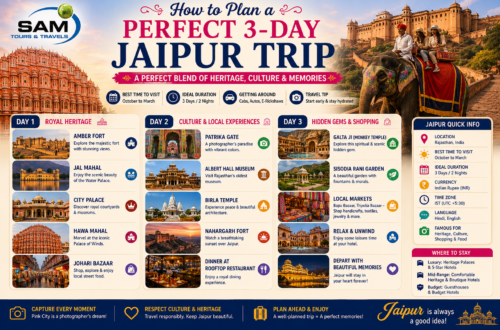
- Amber Fort
- Jal Mahal
- Nahargarh Fort
- Jaigarh Fort
The Aravalli Hills surrounding Jaipur become greener, offering scenic drives and breathtaking sunset views after rainfall.
Jhalawar: Rajasthan’s Green Paradise
Unlike the desert landscapes commonly associated with Rajasthan, Jhalawar is known for its greenery and fertile surroundings. During monsoon, the region becomes one of the state’s most beautiful destinations.
Highlights include:
- Gagron Fort
- Chandrabhaga River landscapes
- Lush countryside views
- Ancient temples and gardens
Nature lovers and photographers will find countless opportunities to capture Rajasthan’s lesser-known natural beauty here.
Ranthambore National Park: Wildlife Amidst Lush Landscapes
Monsoon breathes new life into Rajasthan’s forests and grasslands. Although safari schedules may vary during heavy rainfall, the surrounding landscape becomes exceptionally vibrant.


The park’s lakes, forests, and ancient ruins create stunning scenery that differs dramatically from its dry-season appearance.
Pushkar: Spiritual Beauty Meets Monsoon Charm
The sacred town of Pushkar becomes especially peaceful during the rainy season. The surrounding hills turn green, and the atmosphere becomes cooler and more relaxing.
Key attractions include:
- Pushkar Lake
- Brahma Temple
- Savitri Temple viewpoints
- Local markets and cafés
The monsoon season offers a tranquil experience for travelers seeking spirituality, culture, and natural beauty.
Best Things to Do in Rajasthan During Monsoon
Enjoy Scenic Road Trips
The rain-washed roads connecting Udaipur, Mount Abu, Bundi, and Jaipur offer some of the most beautiful drives in the state.
Capture Stunning Photographs
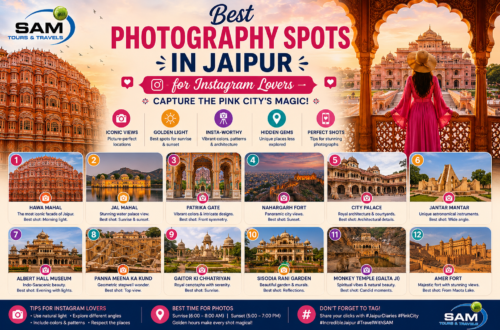
Cloud-covered forts, mirror-like lakes, waterfalls, and lush landscapes create incredible photography opportunities.
Experience Heritage Hotels
Many heritage hotels become even more charming during the rainy season, offering breathtaking views and cozy stays.
Explore Local Cuisine
Monsoon is the perfect time to savor hot Rajasthani delicacies like:
- Dal Baati Churma
- Pyaaz Kachori
- Mirchi Vada
- Ghewar
- Masala Chai
Travel Tips for Visiting Rajasthan During Monsoon
- Carry lightweight rain gear and umbrellas.
- Wear comfortable, waterproof footwear.
- Check weather forecasts before planning outdoor activities.
- Book accommodations with scenic views of lakes or hills.
- Keep flexible travel plans during periods of heavy rainfall.
Conclusion
Rajasthan during the monsoon is a hidden treasure waiting to be explored. The rains breathe new life into its landscapes, transforming deserts into green expanses, filling lakes to the brim, and adding a magical touch to its historic forts and palaces. From the lake-filled beauty of Udaipur and the misty hills of Mount Abu to the hidden charm of Bundi and the lush surroundings of Jhalawar, every destination offers a unique and unforgettable experience.
If you’re looking for a refreshing alternative to peak-season travel, Rajasthan’s monsoon magic promises stunning scenery, fewer crowds, and memories that will last a lifetime.